
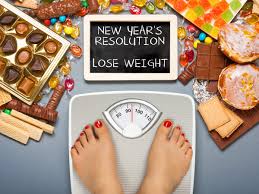
Resolutions for lasting weight loss that actually work
Why Weight-Loss Plans Don’t Work
The majority of weight-loss resolutions made for the new year fail because they are based on unsustainable principles rather than severe restrictions. When you drastically cut calories or eliminate entire food groups, your body responds by slowing metabolism and increasing levels of hunger hormones such as ghrelin. This biological response makes long-term weight management nearly impossible.
Research shows that restrictive diets fail because they don’t address the underlying behaviors and lifestyle factors that contribute to weight gain.
Successful people prioritize developing healthy lifestyle habits that support sustained weight loss over time rather than focusing on quick fixes. Another common mistake involves setting unrealistic expectations. Crash diets promise quick weight loss, which many people believe will happen. However, healthy weight-loss tips emphasise the gradual progress of 0.5–1 kg (1–2 pounds) per week, which allows your body to adapt and maintain the changes permanently.
How to Maintain a Healthy Weight Loss
- Instead of counting calories, focus on whole, minimally processed food.
- When making plans that you can actually stick to, put adaptability and individualization first.
- Include adequate protein and fibre to support fat loss while maintaining muscle mass.
- Include healthy fats from sources such as olive oil, nuts, and fatty fish as part of your balanced nutrition.
- Include whole grains, legumes, fruits, and vegetables in a balanced diet.
- Avoid eliminating entire food groups to ensure balanced nutrition.
- Make small, achievable changes instead of overhauling everything overnight.
Step 1: Establish Objectives
- That Are Both Realistic and Possible to Achieve Define specific, measurable targets such as “walk 30 minutes daily”.
- Establish a reasonable timeline allowing 6-12 months to achieve significant sustainable weight loss.
- Focus on behaviour-based goals like meal preparation, regular exercise, or stress management.
- Celebrate achievements like increased strength, improved quality of sleep, or improved energy.
- Before beginning any significant weight loss program, talk to your doctor, especially if you have any underlying health conditions.
Step 2: Plan Your Diet for Long-Term Success
- To maintain muscle, plan meals around protein sources like fish, chicken, eggs, and legumes.
- Include fibre-rich vegetables with every meal to increase satiety and nutrition.
- Adopt a Mediterranean or DASH-style eating plan emphasizing whole foods and healthy fats, as recommended by the American Heart Association.
- Make meals at home rather than relying on highly processed options.
- Focus on nutrient-dense foods that provide lasting energy and satisfaction.
- Include foods you enjoy in your diet to make it feel like it will last.
- Control hunger by eating regular, well-balanced meals throughout the day.
Step 3: Include healthy exercise into your routine
- Start with more sustainable activities you enjoy, like dancing, hiking, or swimming.
- Try to get at least 150 minutes of moderate-intensity exercise each week, broken up into smaller, more manageable chunks.
- Do strength training twice a week to keep your metabolism going and keep your muscle mass while you lose weight.
- Look for ways to move around every day, like taking the stairs or walking while on the phone.
- Rest when needed and gradually increase intensity to prevent burnout or injury.
Step 4: Monitor Progress and Make Changes
- Monitor multiple metrics beyond weight: Track measurements, energy levels, sleep quality, and fitness improvements.
- Use a food diary or app: Recording intake increases awareness and helps identify patterns or trigger foods.
- Weigh yourself consistently: Choose the same day, time, and conditions weekly rather than daily fluctuations.
- Take pictures: Of your progress because, especially when you’re building muscle, visual changes often occur before scale movements. Monthlyly review your plan to determine what is working well and what needs to be changed in light of your lifestyle and results.
- To maintain motivation: Acknowledge improvements in endurance, mood, or healthy choices. Celebrate small victories.
Step 5: Changes in attitude and behavior
Weight loss that lasts requires moving away from dieting and toward a healthy lifestyle. Create a healthy relationship in which all foods can be eaten in moderation rather than treating certain foods as “off-limits.” This stops the restrict-binge cycle that stops many New Year’s resolutions to lose weight.
New coping mechanisms for stress, boredom, and other emotions that previously triggered overeating are necessary for successful long-term weight management. If emotional eating has a significant impact on your fat loss strategies, you might want to work with a therapist or counselor.
Healthy Habits Beyond the Scale
- Prioritize adequate sleep, as insufficient rest disrupts hunger-regulating hormones like leptin and ghrelin.
- Manage stress effectively through meditation, yoga, or other techniques.
- Drink plenty of water throughout the day to boost metabolism and prevent overeating.
- Form relationships that are encouraging and supportive of your healthy lifestyle choices.
- Engage in activities that promote mental and emotional well-being as part of self-care.
Overcoming Common Weight-Loss Challenges
- Address food cravings by understanding triggers and having healthy alternatives ready.
- Combat all-or-nothing thinking by remembering that one meal doesn’t derail progress.
- Handle social situations by planning and focusing on connection over food.
- Overcome plateaus by adjusting portions, increasing protein, or varying exercise.
- Resist ultra-processed foods by keeping whole food options easily accessible.
How to Maintain Weight Loss After Achieving Your Goals
Successful long-term weight management requires transitioning from weight loss mode to maintenance. This involves gradually increasing your calorie intake while maintaining the healthy habits that supported your sustainable weight loss. Continue regular physical activity, mindful eating practices, and periodic self-monitoring.
Remember that maintenance isn’t about perfection; it’s about consistently returning to healthy choices after temporary detours. The skills you develop during weight loss become the foundation for lifelong health.
Success Stories & Motivational Tips
In conclusion
make the year 2026 your year of sustainable, healthy weight loss. Finding the ideal diet or exercise plan isn’t the key to lasting weight loss; rather, it’s about creating a healthy lifestyle that you can stick to for the long haul. You lay the groundwork for long-lasting transformation by focusing on whole foods, regular exercise, adequate sleep, stress management, and healthy eating. Remember that small, consistent changes compound over time to create remarkable results.
Your New Year’s weight-loss resolution doesn’t have to become another abandoned goal. With evidence-based fat loss strategies and a commitment to long-term weight management, you can achieve the lasting change you desire. The key is to set goals that are within your reach and develop routines that contribute to your overall health. With comprehensive health assessments that go beyond the scale, Metropolis Healthcare supports your wellness journey. Our extensive portfolio of over 4,000 tests and profiles provides valuable insights into your health status. Monitoring your health markers becomes simple and stress-free with our over 10,000 touchpoints across India’s convenient home sample collection.